
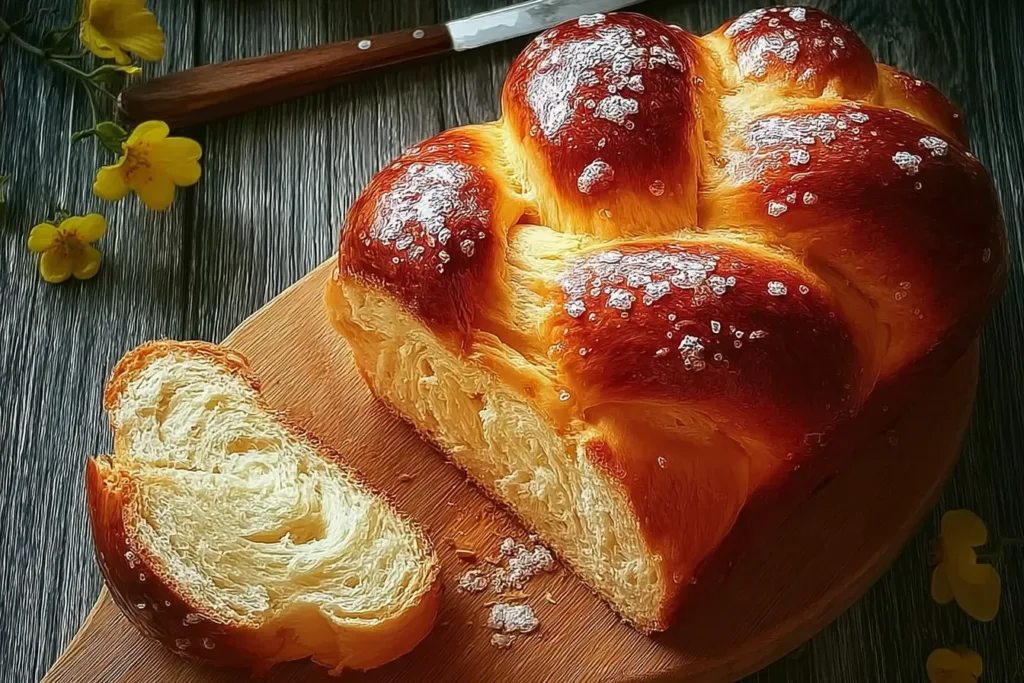
Paska, a traditional Eastern European Easter bread, captivates both the palate and the heart. This sweet, rich loaf, often adorned with intricate decorations, serves as a centerpiece for festive gatherings. With its delightful combination of tender dough and hints of vanilla and citrus, Paska is more than just a treat; it holds deep cultural significance, uniting families in celebration.
Moreover, the process of making Paska is an experience in itself. From kneading the dough to the heavenly aroma that fills your kitchen as it bakes, every step is a cherished ritual. As we explore this cherished recipe, get ready to discover its history, variations, and tips for creating your own perfect loaf at home.
Traditional Easter Bread Overview:
Paska, a cherished Easter bread in Eastern European cultures, represents a symbol of rebirth and celebration. This rich, fluffy bread is often adorned with intricate designs and enjoyed at festive gatherings. Made with ingredients like eggs, sugar, butter, and sometimes infused with citrus zest, Paska is a delightful addition to any Easter feast.
The preparation of Paska involves a simple yet rewarding process. After mixing the dough, it rises to create a light, airy texture, perfect for pairing with butter or enjoying alongside meats. In addition to its traditional role, this sweet bread can inspire variants, like incorporating spices or dried fruits for added flavor.
For another delicious baked good to complement your Easter table, try these Oreo Cinnamon Rolls. Their sweet and gooey goodness pairs perfectly with the slightly festive nature of Paska. Celebrate the season with this beloved bread, and enjoy the moments it brings to your table.
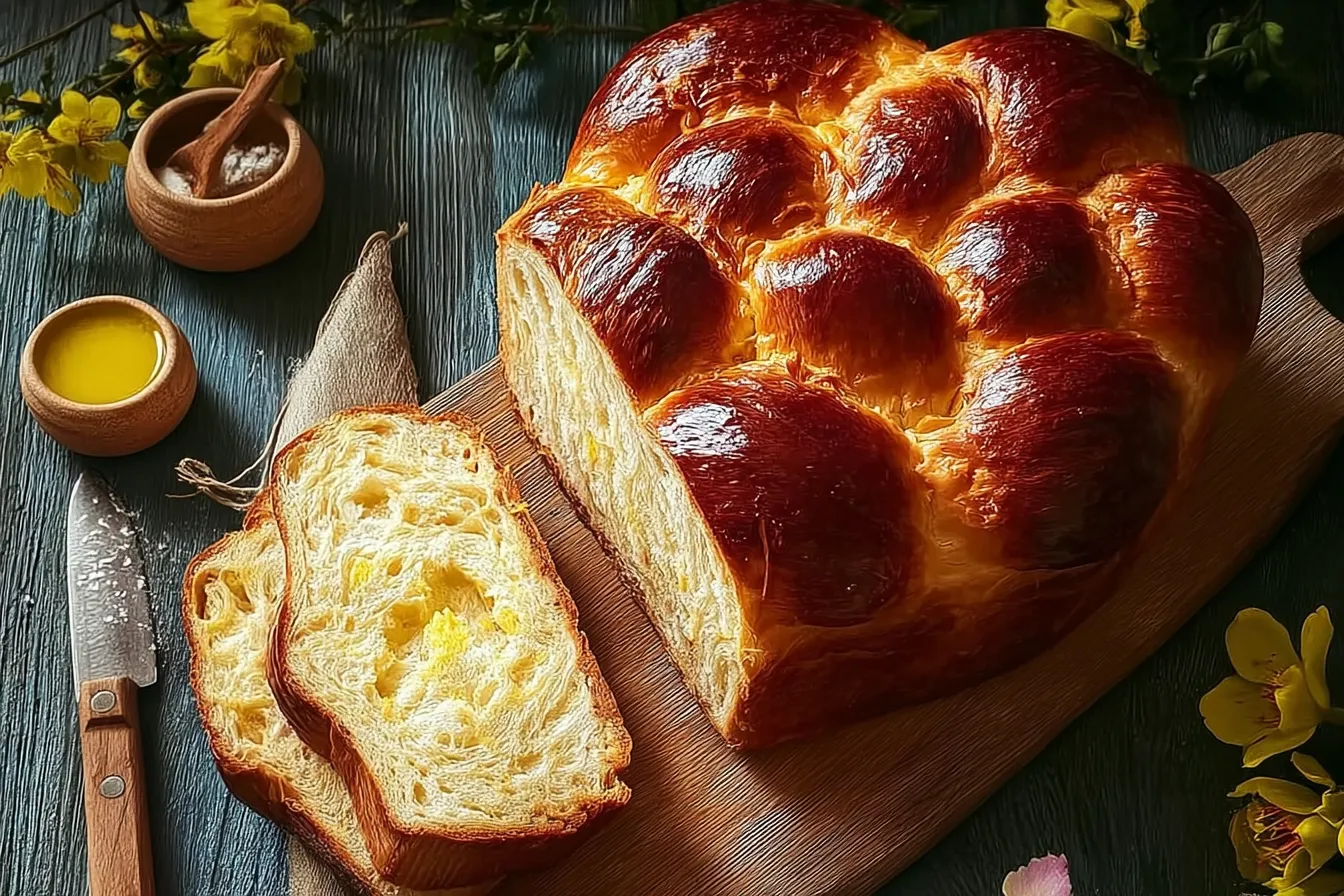
Ingredients for Paska:
Paska, a traditional Eastern European Easter bread, is a delightful treat that combines rich flavors and vibrant textures. To create this festive bread, gather the following ingredients:
- 1 cup warm milk (110°F / 43°C)
- 2 ¼ teaspoons active dry yeast
- ½ cup sugar
- 3 large eggs
- ½ cup unsalted butter, melted
- 1 teaspoon salt
- 1 teaspoon vanilla extract
- 4 to 5 cups all-purpose flour
- 1 egg yolk + 1 tablespoon water (for egg wash)
With these ingredients, you’ll create a beautiful, soft dough that rises perfectly. Once baked, Paska will have a golden crust and a subtly sweet aroma. For an indulgent dessert pairing, consider serving it alongside creme brulee cookies, which provide a delightful contrast to the fluffy bread. Enjoy your baking experience!
Print
Paska: Delight in This Traditional Sweet Bread Today
- Total Time: 50
- Yield: 4 servings 1x
- Diet: Vegetarian
Description
Paska is a traditional Eastern European bread, lightly sweetened and often served during holidays. This fluffy, enriched bread is perfect for sharing with family and friends.
Ingredients
1 cup warm milk (110°F / 43°C)
2 ¼ teaspoons active dry yeast
½ cup sugar
3 large eggs
½ cup unsalted butter
melted
1 teaspoon salt
1 teaspoon vanilla extract
4 to 5 cups all-purpose flour
1 egg yolk + 1 tablespoon water (for egg wash)
Instructions
- In a small bowl, combine warm milk and yeast. Let it sit for about 5 minutes until frothy.
- In a large mixing bowl, whisk together sugar, eggs, melted butter, salt, and vanilla extract.
- Add the yeast mixture to the egg mixture and mix well.
- Gradually add flour, one cup at a time, until a soft dough forms.
- Knead the dough on a floured surface for about 5-10 minutes until smooth and elastic.
- Place the dough in a greased bowl, cover it with a damp cloth, and let it rise in a warm place for about 1 hour or until doubled in size.
- Preheat the oven to 350°F (175°C) while the dough is rising.
- Once risen, punch down the dough and shape it into a loaf or buns as desired.
- Place shaped dough onto a greased baking tray and let it rise again for about 30 minutes.
- In a small bowl, mix egg yolk and water, then brush the mixture on the dough.
- Bake in the preheated oven for 25-30 minutes, or until the bread is golden brown and sounds hollow when tapped.
- Allow to cool on a wire rack before slicing and serving.
Notes
Make sure the milk is not too hot to avoid killing the yeast. This bread can be stored in an airtight container for a few days or frozen for longer storage.
- Prep Time: 20
- Cook Time: 30
- Category: Dessert
- Method: baking
- Cuisine: American
Nutrition
- Serving Size: 1 slice
- Calories: 230 kcal
- Sugar: 9 g
- Sodium: 170 mg
- Fat: 7 g
- Saturated Fat: 4 g
- Unsaturated Fat: 2.5 g
- Trans Fat: 0 g
- Carbohydrates: 36 g
- Fiber: 1 g
- Protein: 6 g
- Cholesterol: 65 mg
Keywords: Paska, sweet bread, Easter bread, traditional recipe
How to Prepare Paska:
To begin making your delightful Paska, start by warming 1 cup of milk to about 110°F (43°C). In a large bowl, combine the warm milk with 2 ¼ teaspoons of active dry yeast and let it sit for about 5-10 minutes until it becomes frothy. Next, mix in ½ cup of sugar, 3 large eggs, ½ cup of melted unsalted butter, 1 teaspoon of salt, and 1 teaspoon of vanilla extract. Gradually add 4 to 5 cups of all-purpose flour, stirring until the dough forms and is slightly sticky.
Once the dough is formed, knead it on a floured surface for about 8-10 minutes until smooth. Place the dough in a greased bowl, cover it with a cloth, and let it rise in a warm area for an hour or until it doubles in size. After that, you can shape the dough into a loaf or round shape. Brush the top with an egg wash made of 1 egg yolk mixed with 1 tablespoon of water. Preheat your oven to 350°F (175°C) and bake for 25-30 minutes, or until golden brown.
For more sweet treats to enjoy alongside your Paska, check out these delicious Oreo Cinnamon Rolls. For those interested in traditional recipes, you can find a detailed guide on preparing Paska at this site. Enjoy your baking!
Cultural Significance of Paska:
Paska, a traditional Easter bread, holds profound cultural importance in various Eastern European communities. This delightful bread symbolizes resurrection and rebirth, often making its appearance during the joyous festivities of Easter. Families frequently gather to bake Paska, blending rich flavors and textures that evoke cherished memories. The preparation itself is a ritualistic act, fostering bonds and connections among generations.
In many households, Paska is not just a treat but a centerpiece during the Easter meal. Its intricate designs and sweet aroma reflect the spirit of renewal that the holiday embodies. Often, the bread is adorned with religious symbols, representing faith and hope.
Moreover, sharing Paska with family and friends reinforces communal ties. As you savor this delicious bread, consider pairing it with a delightful side like garlic grilled cheese, enhancing the celebratory experience even more. In essence, Paska is more than food; it is a heartfelt testament to heritage and tradition.
Serving Suggestions for Paska:
Paska, a traditional Easter bread, is versatile and can elevate any meal. To enjoy this delightful bread, consider serving it alongside a flavorful dish. A great option is pairing Paska with a hearty bowl of homemade Alfredo sauce. The creamy texture complements the sweet, soft bread beautifully. Additionally, it can be enjoyed with various spreads, enhancing its taste.
For a delightful breakfast, transform Paska into a French toast by soaking slices in a mixture of eggs and milk before lightly frying. The slightly sweet and rich flavor of the bread makes it perfect for this. Furthermore, for something unique, serve Paska with a side of golden milk turmeric latte. This aromatic beverage provides a warming contrast to the bread’s sweetness. Serve your Paska warm or toasted, topped with butter or jam, and watch it disappear from the table!
Storage Tips:
To keep your paska fresh and delicious, store it in an airtight container at room temperature for up to three days. If you want it to last longer, consider freezing individual slices. Before serving, simply thaw at room temperature or warm it gently in the oven. For more tasty ideas, check out this Garlic Grilled Cheese recipe that pairs beautifully with paska!
Frequently Asked Questions (FAQs):
What is Paska?
Paska is a traditional Easter bread originating from Eastern Europe, especially popular in Ukrainian and Slavic cultures. This rich, sweet bread is characterized by its light, airy texture and unique recipe, which often includes ingredients like eggs, butter, and sugar. It is typically adorned with religious symbols, making it not only a culinary delight but also a festive centerpiece.
How is Paska different from other breads?
Unlike regular bread, Paska stands out due to its sweet flavor and is often enriched with eggs and milk, giving it a fluffy texture. The addition of colorful decorations or icing sets it apart visually as well, making it a lovely addition to Easter celebrations.
Can Paska be made in advance?
Absolutely! You can prepare Paska a day or two before Easter. After baking, ensure it cools completely before wrapping it tightly. Stored in a cool, dry place, this sweet bread will maintain its delightful taste and texture.
How do you serve Paska?
Paska is traditionally sliced and served during Easter brunch. It pairs wonderfully with butter or honey. For a delightful twist, you might enjoy it alongside a creamy dish like homemade Alfredo sauce, which adds richness and flavor.
What ingredients are essential in Paska?
Key ingredients for Paska include flour, yeast, milk, eggs, butter, and sugar. Some recipes may include citrus zest or raisins for added flavor. The perfect balance of these ingredients ensures a light and sweet loaf that captures the essence of Easter.
Can I experiment with flavors in my Paska recipe?
Certainly! Feel free to customize your Paska by incorporating spices like nutmeg or cardamom, or try adding dried fruits, chocolate, or nuts. The versatility of this bread allows for a personal touch while still honoring traditional flavors.