
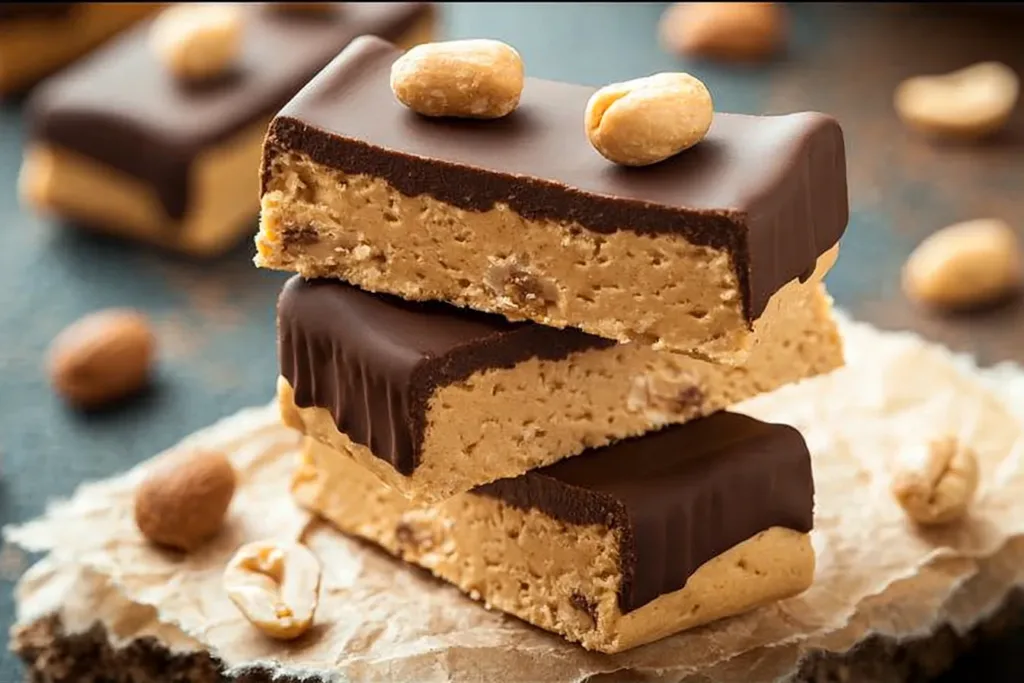
Protein bars have gained immense popularity among health enthusiasts and busy individuals alike. These convenient snacks offer a delicious way to fuel up on essential nutrients, making them perfect for on-the-go lifestyles. Moreover, their versatility is a significant draw, as they can cater to various dietary preferences, from vegan to gluten-free options.
In addition to being packed with protein, these energy bars often feature a delightful blend of flavors and textures. Whether you’re seeking post-workout recovery or a midday energy boost, protein bars provide a quick and satisfying solution. With so many options available, it’s easy to see why these handy snacks have become a staple in many diets.
Benefits of Homemade Snacks:
Creating your own protein bars at home can be a game-changer for your health and fitness goals. One of the primary benefits lies in the control you have over the ingredients. When you make protein-packed snacks, you can avoid processed sugars and unhealthy additives, ensuring each bite is nutritious. Not only is this healthier, but it can also be more cost-effective than store-bought options.
Additionally, experimenting with flavors allows you to incorporate your favorites. For example, check out these healthy cottage cheese protein brownies for a delicious way to enhance your protein intake while indulging your sweet tooth. Homemade protein bars can easily be customized to fit dietary preferences, whether you’re gluten-free, vegan, or just looking for a wholesome snack option.
Moreover, preparing these snacks in bulk helps save time during busy weekdays. When the craving strikes, you’ll have a high-energy, satisfying option ready to go! By embracing homemade protein snacks, you elevate your snacking routine to nourish and energize.
Ingredients for Protein Bars:
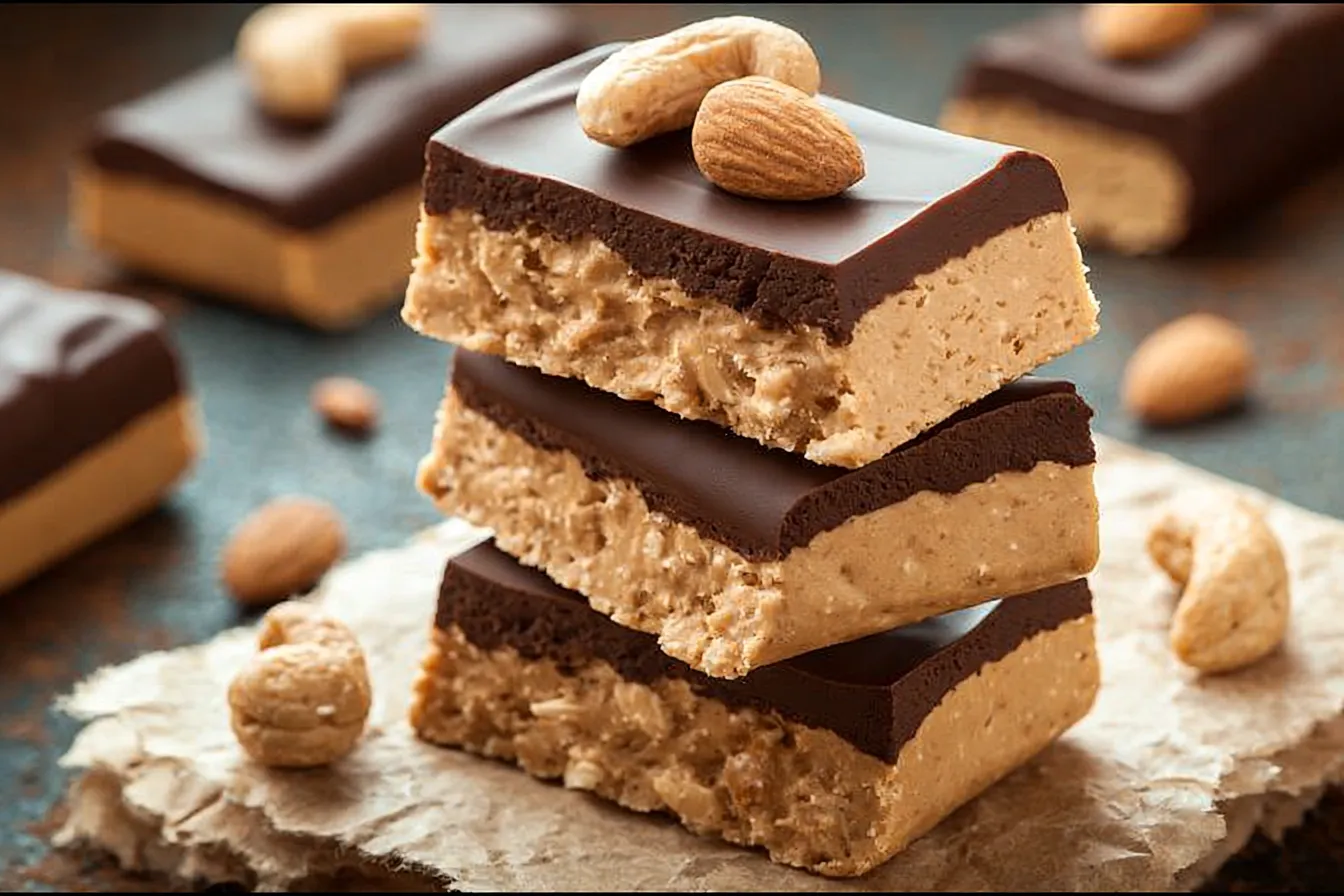
Creating your own scrumptious protein bars at home is a breeze with this simple ingredient list. Each component plays a crucial role in both taste and nutritional value. Here are the exact measurements you need:
- 1 1/2 cups peanut butter (or an allergy-friendly substitute)
- 3/4 cup protein powder (90g, your choice of flavor)
- 1/4 cup pure maple syrup or honey (feel free to explore keto options)
- 1/2 teaspoon salt
- 4 ounces melted chocolate chips (optional for a delightful finish)
Once you’ve gathered these ingredients, you can craft a delicious snack that not only satisfies hunger but also supports your protein intake. For inspiration on flavor combinations, check out the Healthy Cottage Cheese Protein Brownies for a unique twist. These bars are versatile, and you can play around with the ingredients depending on what you have on hand. Enjoy your homemade protein treats!
How to Prepare Protein Bars:
Making your own protein bars at home is simple and rewarding. Start by gathering 1 ½ cups of peanut butter or an allergy-friendly substitute. In a mixing bowl, combine the nut butter with ¾ cup of protein powder and ¼ cup of pure maple syrup or honey. Add ½ teaspoon of salt to enhance flavor. Mix everything until a thick and sticky dough forms.
If you want to make these bars even more indulgent, consider folding in 4 ounces of melted chocolate chips. Line a baking dish with parchment paper for easy release, then press the mixture firmly into the dish. Refrigerate for at least an hour to set. Once firm, cut into squares or bars. These homemade snacks not only provide essential nutrients but are also customizable. For more creative ideas, try my delicious High Protein Berry Yogurt Bake! You can find another scrumptious protein bar recipe at Chocolate Covered Katie. Enjoy your nutritious boost any time of day!
Nutritional Information of Protein Bars:
Protein bars offer a convenient and beneficial way to boost your daily protein intake. Typically, a standard protein bar contains around 10-30 grams of protein, depending on the ingredients and serving size. They also provide essential nutrients, including fiber, vitamins, and minerals, making them a wholesome snack or meal replacement.
For those seeking a delicious option that packs a nutritional punch, consider trying High Protein Berry Yogurt Bake. This recipe emphasizes the importance of protein while also incorporating antioxidant-rich berries.
Most protein bars are relatively low in sugar, containing anywhere from 1 to 10 grams, helping to stabilize energy levels without the crash that traditional snacks may induce. Depending on the brand, you can find variations that cater to specific dietary needs, such as vegan or gluten-free options.
Adding protein bars to your diet can support muscle recovery and growth, making them a top choice for fitness enthusiasts. They are easily portable, making them perfect for on-the-go snacking. Moreover, these savory treats can help curtail cravings, ultimately supporting weight management goals. Enjoy their versatility by incorporating them into your healthy routine!
Storage Tips:
To maintain the freshness and flavor of your homemade protein bars, proper storage is essential. First, allow the bars to cool completely at room temperature. Once cooled, wrap each bar individually in plastic wrap or parchment paper. This will help prevent them from sticking together and maintain their texture.
Next, consider placing these wrapped bars in an airtight container. This additional layer of protection keeps moisture out and ensures they stay fresh longer. For longer storage, protein bars can be frozen. Simply stack them in a freezer-safe bag or container, separating layers with wax paper to avoid sticking. When you’re ready to enjoy one, allow it to thaw in the refrigerator or at room temperature.
For a delicious treat with a protein boost, try pairing your bars with a slice of healthy cottage cheese protein brownies. This combination not only satisfies cravings but also enhances your nutrient intake!
Common Mistakes When Making Protein Bars:
Creating homemade protein bars can be rewarding, yet pitfalls abound. One common mistake is neglecting the balance of ingredients, which affects flavor and texture. Additionally, many bakers skip proper measurements, leading to dry or overly dense bars. For a deliciously dense option, consider trying healthy cottage cheese protein brownies as an alternative with beneficial nutrients. Always remember to let your bars cool completely for the best consistency!
Frequently Asked Questions (FAQs):
What are the benefits of homemade protein bars?
Homemade protein bars offer several advantages, including the ability to control ingredients and customize flavors according to personal preferences. You can easily avoid added sugars and unhealthy preservatives often found in store-bought options. By using nutritious components, these energy-packed snacks can help support fitness goals, making them ideal for athletes and health-conscious individuals alike.
How should I store protein bars for maximum freshness?
To keep protein bars fresh, store them in an airtight container at room temperature. For longer shelf life, refrigeration is recommended. Alternatively, you can freeze them, allowing easy access to a healthy snack anytime. Remember to slice them before freezing for single servings.
Can protein bars be adapted for dietary restrictions?
Definitely! Many recipes for protein bars can be tailored to meet specific dietary needs. For instance, you can create gluten-free, dairy-free, or vegan versions depending on the ingredients used. Opting for almond or coconut flour instead of regular flour can easily adapt these bars to fit your diet. A delicious example of a protein-rich treat is the Healthy Cottage Cheese Protein Brownies.
How much protein should a protein bar contain?
A good benchmark for protein bars is around 10 to 20 grams of protein per serving. This amount is typically sufficient to support muscle recovery and energy levels following a workout. It’s important to balance protein with healthy fats and carbohydrates for an optimal nutritional profile.
Are protein bars suitable for meal replacements?
While protein bars can supplement meals, they shouldn’t replace all meals. They can be an effective on-the-go option for busy lifestyles, but complete meals should include diverse vitamins and minerals that bars may lack. Pairing them with a piece of fruit or yogurt can create a more balanced meal.
What flavors are popular in protein bars?
Popular flavors for protein bars range from chocolate and peanut butter to fruit-infused varieties, like berry or lemon. Experimentation with different taste combinations keeps snacking exciting. If you enjoy vibrant flavors, consider trying Lemon Rhubarb Bars for a refreshing twist on traditional options.
Print
Protein Bars
- Total Time: 10 minutes
- Yield: 12 bars 1x
Description
These homemade Protein Bars are a delicious and healthy snack option, packed with protein to fuel your day. They are easy to make and customizable to suit your taste preferences.
Ingredients
- 1 1/2 cup peanut butter or allergy-friendly sub
- 3/4 cup protein powder (90g)
- 1/4 cup pure maple syrup or honey
- 1/2 tsp salt
- 4 oz melted chocolate chips (optional)
Instructions
- In a medium bowl, combine the peanut butter and maple syrup (or honey) until smooth.
- Stir in the protein powder and salt until fully incorporated.
- If using, fold in the melted chocolate chips.
- Spread the mixture into a lined baking dish and flatten with a spatula.
- Refrigerate for at least 30 minutes before cutting into bars.
Notes
Feel free to customize your bars with different protein flavors or mix-ins like nuts and dried fruit.
- Prep Time: 10 minutes
- Cook Time: 0 minutes
- Category: Snack
- Method: No-Bake
- Cuisine: American
Nutrition
- Serving Size: 1 bar
- Calories: 215 kcal
- Sugar: 7 g
- Sodium: 135 mg
- Fat: 14 g
- Saturated Fat: 3 g
- Unsaturated Fat: 10 g
- Trans Fat: 0 g
- Carbohydrates: 11 g
- Fiber: 2 g
- Protein: 12 g
- Cholesterol: 5 mg
Keywords: Protein Bars, healthy snack, homemade protein bars, fitness snack, protein-rich dessert